Spotlight
PCC in 10 Reflection: Lisa Castillo Richmond

Throughout the year, PCC will highlight reflections from those who made the organization what it is today.
Lisa Castillo Richmond was a part of the PCC executive team since its founding in 2016, and led the organization as Executive Director from 2021 to 2025. Under Castillo Richmond’s leadership, PCC grew from a startup nonprofit to a nationally-recognized leading voice for racial and socioeconomic equity in Illinois higher education. Her vision and collaborative leadership helped position PCC as a trusted partner to colleges and universities, a driving force in state policy, and a champion for students most affected by systemic inequities.
Here she looks back on her time at PCC.
What is a defining moment from your tenure that you carry with you today?
I cannot think of a singular defining moment. There are so many moments that stand out over nearly a decade. Moments where I was so proud of our team, our unwavering focus on equity, our new approaches to tackling longstanding challenges, the conversations we started, the partnerships we built, and so much more. For me, it was always in the little things that over time turned into big things. The returning day after day, year after year, to tackle the issues we know will make the biggest difference for Illinois’ students and their ability to pursue a college education and earn a college degree. Continuing to do that when it was hard to get traction on these issues. Continuing to do that even when there was powerful pushback. Continuing to do that when we were told the timing wasn’t right for change. And sometimes little by little, and sometimes all at once, PCC made progress on a number of issues that drive college access, affordability, and completion.
What achievement(s) are you most proud of from your tenure?
I have immense pride in how PCC has catalyzed new and necessary conversations on behalf of students in Illinois higher education. Policy, advocacy, institutional change, higher education reform—these are all team sports. You cannot successfully advance system level changes without an amazing team of smart, thoughtful, creative, persistent, and committed team members, and without like-minded partners who are the same. We have always had that at PCC. It was an incredible honor for me to serve as part of PCC’s founding team for so many years and to also have had the opportunity to lead that team for a time.
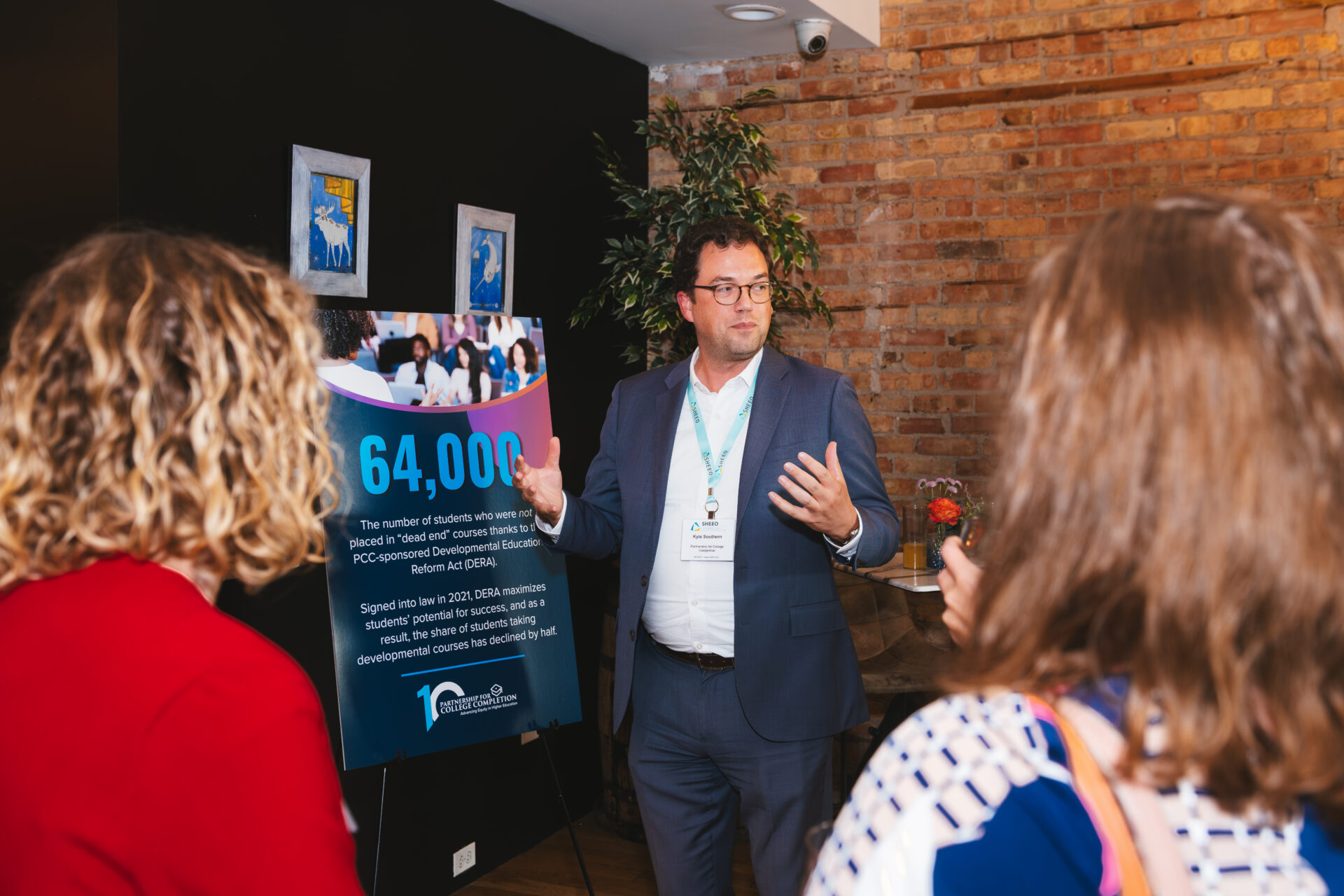
There are three things that stand out to me when I look back on my time at PCC. One is passing the Developmental Education Reform Act in HB 2170 in partnership with the Illinois Legislative Black Caucus. That was the culmination of years of successful education and advocacy on the harmful effects of standalone developmental education to students. That was a really good day. The passage of that bill then kicked off multiple efforts to support colleges and universities in reforming developmental education on their campuses that continues today.
Second was the establishment of the Illinois Equity in Attainment Initiative (ILEA) with 25 Illinois institutions that came together starting in 2018 to work to eliminate disparities in student outcomes by race and income on their campuses. The result was a learning community that cultivated equity-minded leaders on campuses across the state and hundreds of individual actions that have benefitted students, faculty, and staff.
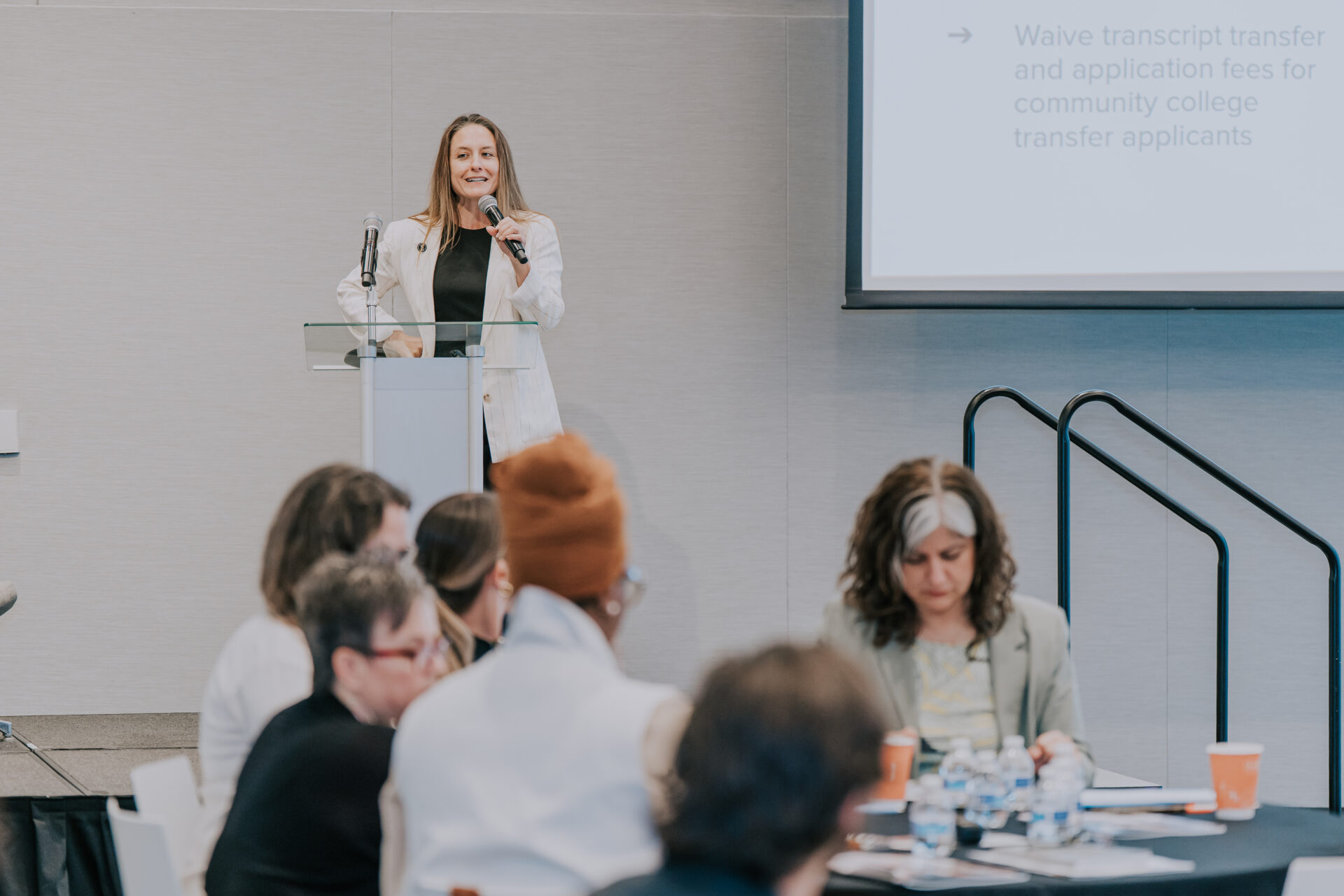
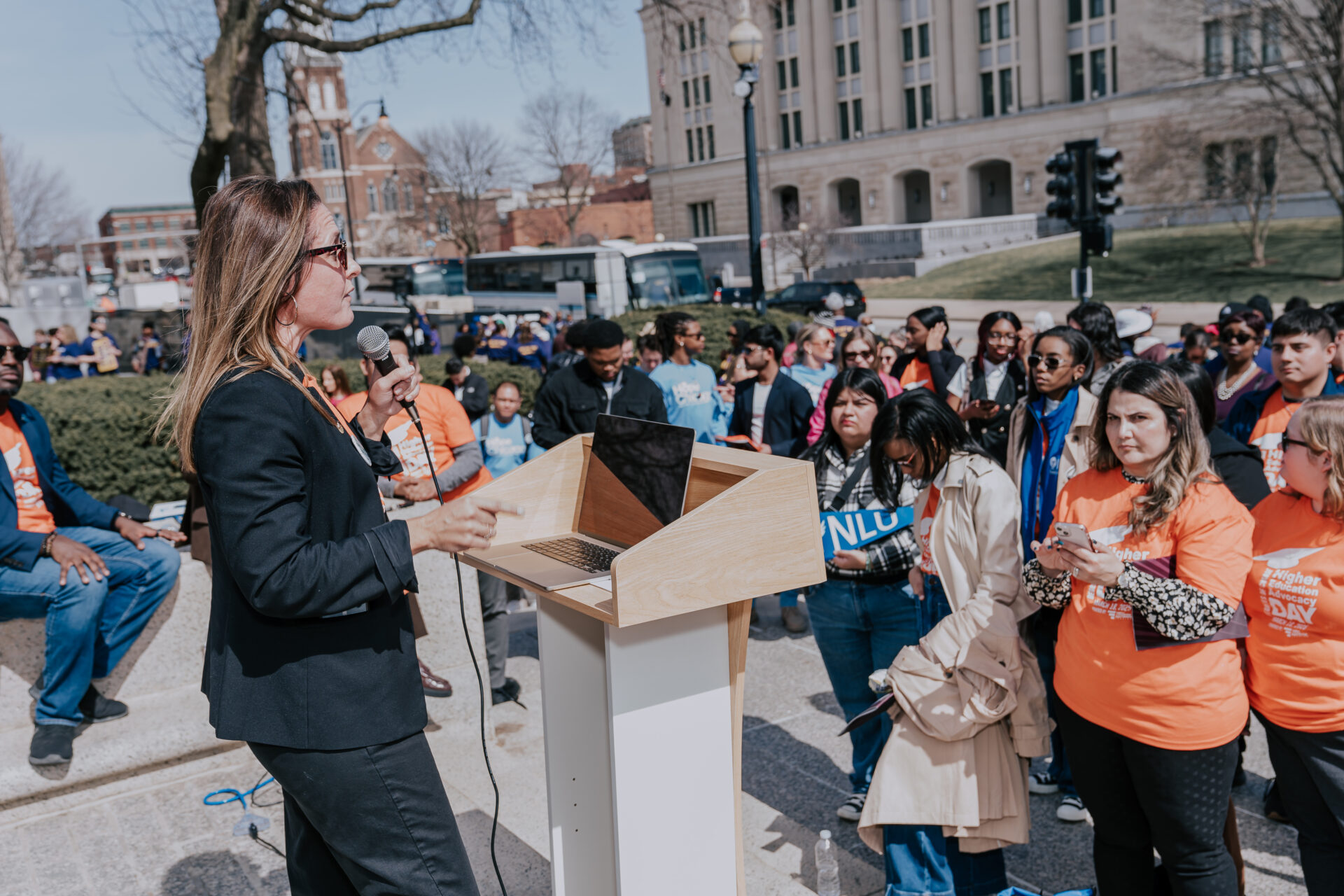
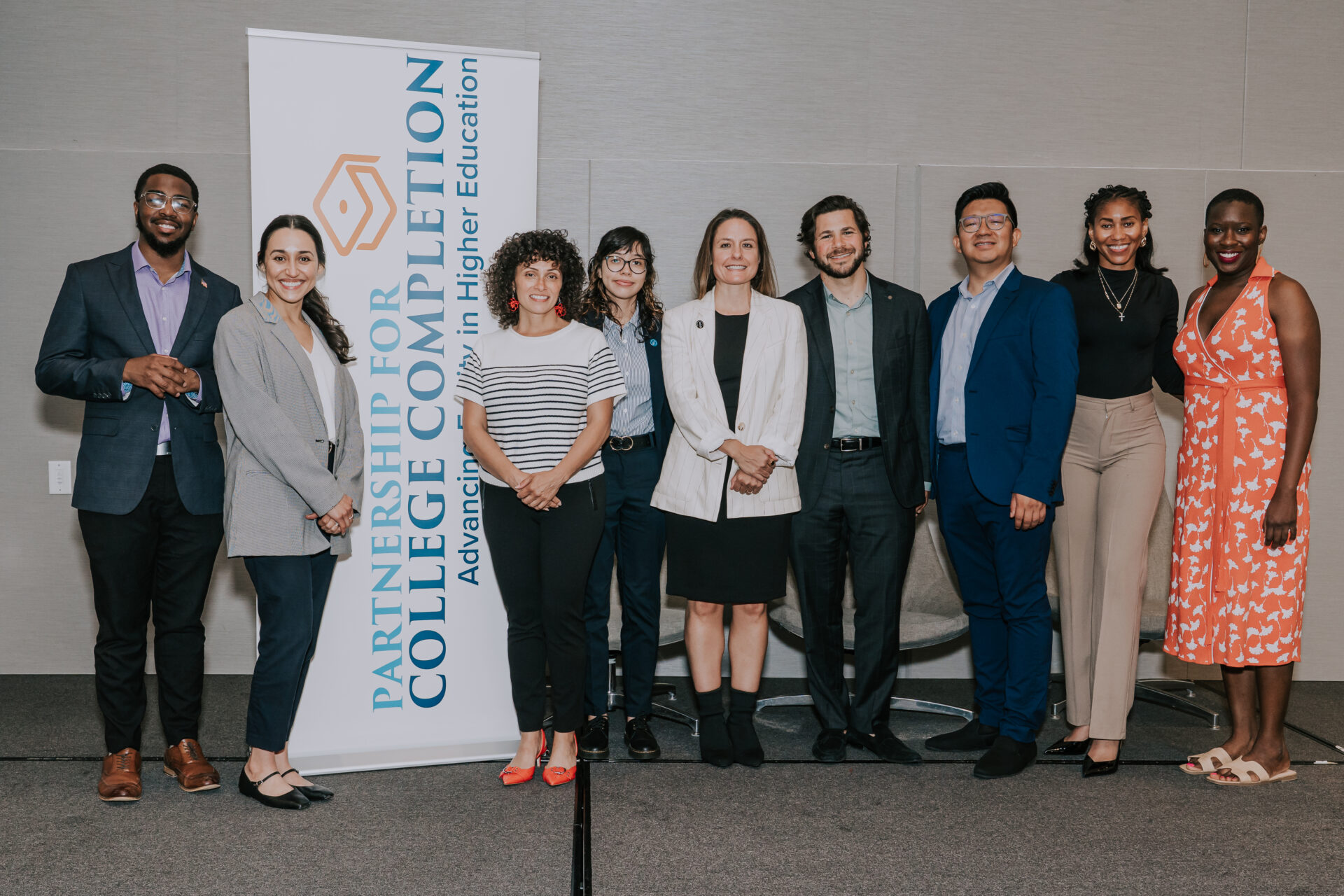
And finally, I am proud of the significant work on higher education funding formula reform in Illinois that PCC started more than five years ago. This work is far from finished, but PCC has repeatedly made the case to state leaders across sectors for reform in Illinois and to propose a new model that prioritizes students, sustainability, and the diversity of institutions in our state. PCC has continued to fight hard for the state to make crucial investments in higher education after nearly two decades of cuts. Because while Illinois has made very meaningful improvements and investments in early childhood and K-12 for all students, addressing historical inequity, the state has not yet done that for our colleges and universities and current/future college students. PCC has led and will continue to lead the fight to fix the current system which is deeply inequitable, insufficiently resourced, and will leave far too many students–and the state as a whole–behind.
Each of these three efforts embody how hard this work is, because for none of them is the mission complete and we move on. Rather, each of these examples represents bright spots in an ongoing pursuit to improve higher education in our state. I am so grateful to have had the opportunity to work on these issues with so many passionate, dedicated colleagues and partners.
What do you hope for PCC looking ahead in its next decade?
PCC is laying the groundwork for even bigger wins in the future and that will be incredible to watch. PCC is modeling a new kind of state policy organization for higher education, one that combines a research and data-informed approach to move state policy and practice to achieve greater equity and student success in our higher education system. They are tackling the big things that are the existential challenges of higher education in this moment–college affordability; higher education finance reform; how to sustain a thriving, diverse ecosystem of colleges and universities in a large state; student success with an equity lens; and holding institutions accountable to their students. I am proud to be a PCC alum and am grateful to continue to learn from their strong example.